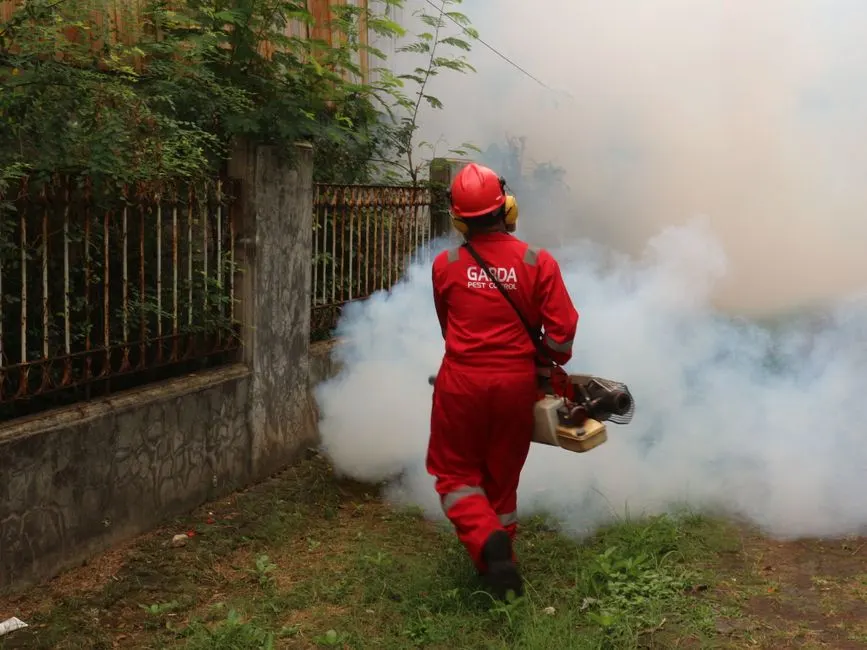
Dry fog reaches where scrubbing and spray bottles cannot
Mold Fogging Treatment Bloomington CA for Hidden Spore Growth
Mold fogging treatment Bloomington CA is a dry-fog application that fills attics, crawl spaces, wall cavities, and ductwork with a fine antimicrobial mist, killing airborne spores and surface growth in spaces you cannot reach by hand. If you have smelled that musty odor after a leak, a roof repair, or a slow drip under the sink, this is the service that clears the air. We serve homeowners and property managers across Bloomington, CA.
Live phone supportUpfront optionsBacked workmanship
What's included
What Our Mold Fogging Treatment Includes
Every fogging job includes inspection, containment, surface prep, application, and clearance testing. If you need removal of heavy growth or duct cleaning, we quote that as an add-on before we start. Here is what is in the standard scope.
Moisture and Thermal Inspection
We map the wet zones with a moisture meter and thermal imaging camera before we fog. This tells us which cavities need treatment and which are dry. Skipping this step is how fogging jobs fail.
Containment and HEPA Filtration
We seal the work area with 6-mil poly and zipper doors and run a negative air machine with HEPA filters. This keeps spores from spreading into the rest of your home during the fogging application.
Antimicrobial Fogging Application
We apply an EPA-registered antimicrobial such as Concrobium, Benefect, or Fiberlock ShockWave through a fogger. The mist reaches cavities, joist bays, and ductwork. Application runs 20 to 45 minutes per zone.
Drying and Humidity Control
After fogging, we run a dehumidifier and air scrubber to bring relative humidity back under 50 percent. Mold will not regrow in a dry structure. This step usually runs 12 to 24 hours depending on conditions.
Post-Remediation Spore Sampling
We collect a spore trap sample after the job and send it to EMSL Analytical or Pro-Lab. You get a written report comparing indoor counts to the outdoor baseline. If counts are elevated, we re-treat at no charge.
Written Scope and Price
You get the scope and the price in writing before we start. If we find more growth than the inspection showed, we stop and tell you what the extra work costs. No surprise line items at the end.
Service overview
Mold Fogging Treatment Bloomington CA: What It Actually Does
Mold fogging treatment Bloomington CA is a remediation method that atomizes a liquid antimicrobial into a fog fine enough to travel through wall cavities, attic joist bays, crawl space voids, and HVAC duct runs. A fogger or thermal fogging unit turns the solution into particles measured in microns, so the mist settles on surfaces and into crevices a sprayer or rag never touches. It is not a cover-up. It is a contact kill on spores and surface growth that have already colonized a space.
Bloomington sits in San Bernardino County, where summer attic temperatures push past 130 degrees and winter rains drive moisture into stucco and slab-on-grade construction. That swing creates condensation on cold wood studs and in crawl spaces, and mold follows fast. If you have had a slab leak, a swamp cooler overflow, or a roof patch that did not seal, mold fogging remediation in Bloomington CA is often the step that finishes the job after the visible growth is removed.
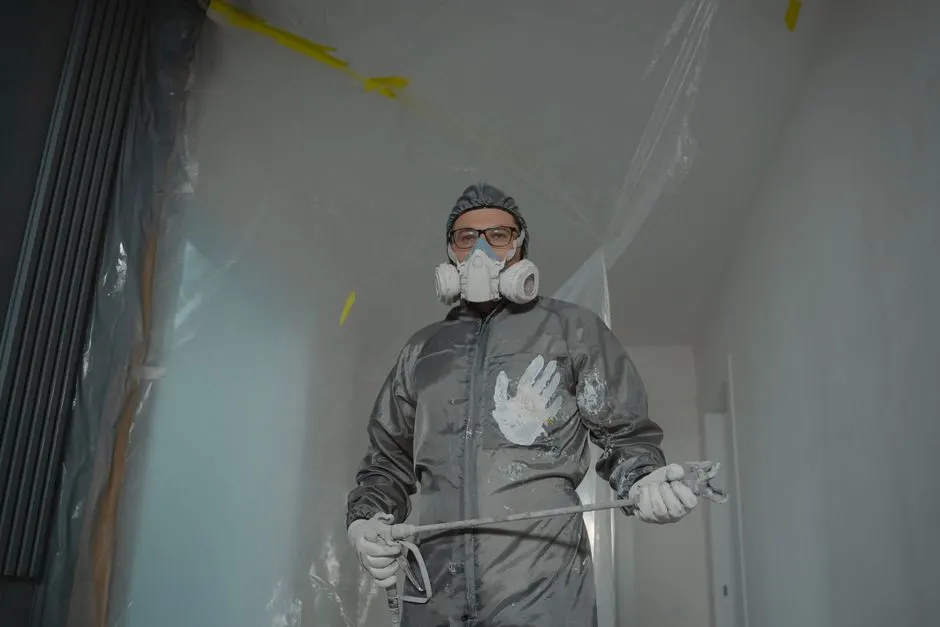
How we workWe verify the cause, compare realistic options, and confirm the repair before we leave.
The service timeline
Our Mold Fogging Remediation Process, Step by Step
The process flexes to the condition, but these checkpoints keep decisions clear.
Inspection and Moisture Mapping
We start with a moisture meter and a thermal imaging camera to find the wet zones, then run a boroscope inspection camera into wall cavities and attic bays. A spore trap sampler collects a baseline air sample. This step takes 45 to 90 minutes on a typical Bloomington home and tells us exactly where the fog needs to reach.
Containment Setup
We seal doorways and HVAC registers with mold remediation plastic sheeting and zipper doors, then set a negative air machine with HEPA filters to keep spores from migrating into clean rooms. Duct tape and 6-mil poly go up fast. Setup usually runs 30 to 60 minutes, and you can stay in the unaffected part of the house.
HEPA Vacuum and Surface Prep
Before fogging, we HEPA vacuum loose spores and debris from exposed surfaces. Heavy growth on wood studs gets treated with a product like Shockwave or RMR-86 to break down the stain and biofilm. Skipping this step just seals dead spores in place, so we do not skip it.
Fogging Application
We load the fogger with a product such as Concrobium, Benefect, or Fiberlock ShockWave and apply a fine mist through the contained space. The fogger runs 20 to 45 minutes depending on volume. The mist penetrates cavities, settles on surfaces, and dries without leaving a wet residue on drywall or framing.
Clearance Testing and Drying
We run a dehumidifier and air scrubber to bring humidity back under 50 percent, then take a post-remediation spore trap sample. Lab results from EMSL Analytical or Pro-Lab usually come back in 24 to 48 hours. If counts are still elevated, we re-treat at no extra charge.
Tools & methods
Tools and Methods We Use for Mold Fogging
Purpose-built equipment, used by trained technicians, so the job is done accurately the first time.
Thermal Imaging Camera
Finds temperature differences that reveal hidden moisture behind drywall, under subfloor, and in ceiling cavities. It is how we locate the wet zone before we fog.
Moisture Meter
Confirms the wet readings the thermal camera flags. We use pin and pinless meters to check wood studs, drywall, and subfloor before and after drying.
Boroscope Inspection Camera
Slides into a small access hole to show us the inside of a wall cavity or joist bay. It is how we confirm mold growth without tearing out drywall.
Fogger and Thermal Fogging Unit
Atomizes the antimicrobial into a fine mist that travels through cavities and ductwork. The particle size is what lets it reach spaces a sprayer cannot.
HEPA Vacuum
Removes loose spores and debris from surfaces before fogging. HEPA filters trap particles down to 0.3 microns, so spores do not get blown back into the air.
Negative Air Machine
Pulls air through a HEPA filter and exhausts it outside the containment. It keeps the work area under negative pressure so spores do not migrate into clean rooms.
Spore Trap Sampler
Collects airborne particles on a cassette for lab analysis. We run one before fogging for a baseline and one after for clearance.
Dehumidifier
Brings relative humidity back under 50 percent after fogging. A dry structure is the only way to keep mold from regrowing.
Use cases
When to Call for Mold Fogging Treatment
These examples show how the service framework adapts rather than forcing every call through one repair.
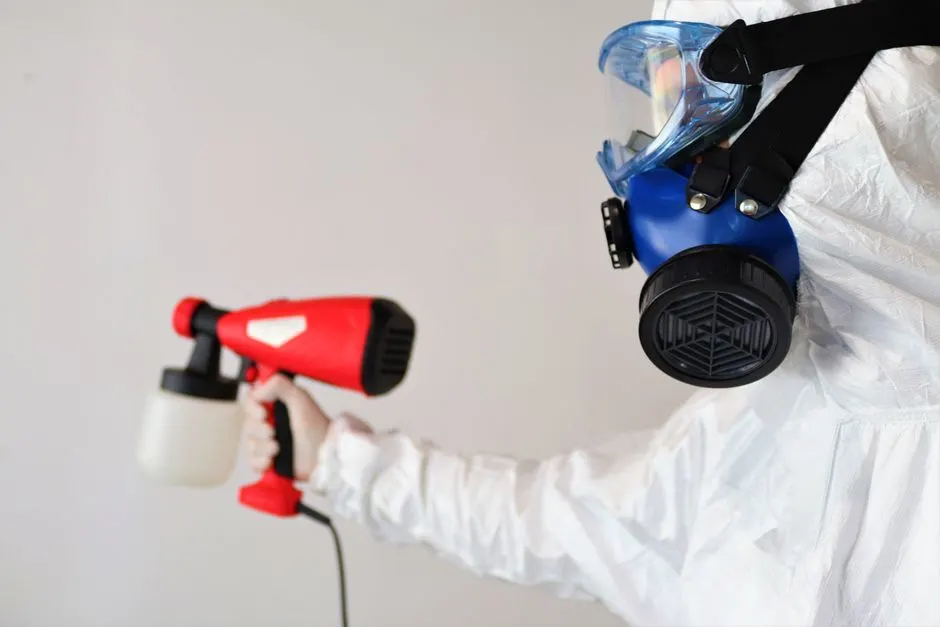
Crawl Space Mold From Ground Moisture
A Kirkwood home had a crawl space with visible mold on the joists and a musty odor in the living room. The ground was damp year round and there was no vapor barrier. Spore counts inside were roughly 4 times the outdoor baseline. → We removed the visible growth, HEPA vacuumed the joists, fogged the entire crawl space, and installed a 6-mil vapor barrier with a dehumidifier. Post-remediation counts came back at outdoor levels. The living room smell cleared in 48 hours.
Wall Cavity Mold After a Slab Leak
A Downtown Bloomington home had a slab leak that ran for weeks before anyone noticed. The drywall looked fine, but the musty smell was strong in the hallway. A boroscope camera showed mold growth on the studs inside the cavity. → We cut a small access port, HEPA vacuumed the cavity, and fogged it in place. That saved about 10 square feet of drywall repair compared to a full tear-out. Post-remediation sampling cleared the air, and the smell was gone.
Problems we solve
Mold Problems We Solve With Fogging in Bloomington
Fogging is the right tool for a specific set of problems. Here are the ones we see most often in Bloomington homes and how we handle them.
Musty odor that keeps coming back after cleaning
We locate the growth with a boroscope camera and moisture meter, then fog the cavity and ductwork with an antimicrobial. The source is neutralized, not masked. Most customers notice the smell is gone within 24 hours.
Attic mold after a roof leak or high summer heat
We remove the visible growth, treat the sheathing, and fog the entire attic volume. A 1,200 square foot attic usually takes one fogging pass. We also flag the roof leak so it gets fixed before the mold returns.
Crawl space mold from ground moisture
We remove the visible growth, treat the joists, and fog the entire void. A vapor barrier and dehumidifier usually go in at the same time. That combination keeps the crawl space dry and stops the mold from coming back.
Mold in wall cavities after a slab leak or slow drip
We cut a small access port, inspect with a boroscope camera, and fog the cavity in place. On a typical Bloomington home, that saves 6 to 12 square feet of drywall repair compared to a full tear-out.
Pricing process
What Mold Fogging Treatment Costs in Bloomington
$450 - $1,800 for most residential jobs; $1,800 - $4,500 for whole-home jobs with ductwork
Square footage treated
A 1,200 square foot attic takes less product and less time than a 2,500 square foot whole-home job. Square footage is the biggest single driver of price.
Number of zones
Each attic, crawl space, or wall cavity is a separate zone. A job with three zones takes longer than a job with one, and the containment setup is repeated for each.
Level of visible growth
Heavy growth needs manual removal and surface treatment before fogging. Light growth can go straight to fogging. The removal step is what adds labor and time.
Questions before we arrive
Frequently Asked Questions About Mold Fogging Treatment
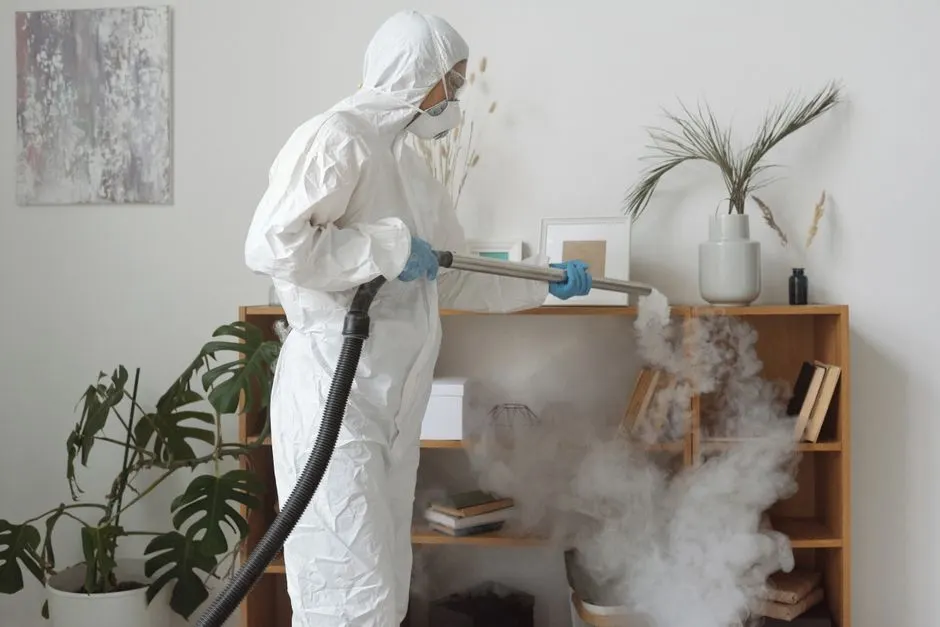
How much does mold fogging treatment cost in Bloomington CA?
Most residential fogging jobs in Bloomington run $450 to $1,800 in 2026, depending on square footage, how many cavities need treatment, and whether containment is required. A single attic or crawl space usually lands on the low end. A whole-home job with ductwork and multiple rooms runs higher. Inspection and lab samples are quoted separately.
Is mold fogging treatment safe in Bloomington California?
Yes, when it is applied by a trained technician with the right product. We use EPA-registered antimicrobials such as Concrobium and Benefect, and we contain the space and run HEPA filtration during application. You and your pets stay out of the treated area for 2 to 4 hours while the fog settles and dries. After that, the space is safe to re-enter.
How long does mold fogging remediation take in Bloomington CA?
The fogging itself takes 20 to 45 minutes per zone. The full visit, including inspection, containment, surface prep, fogging, and drying setup, usually runs 4 to 8 hours for a typical Bloomington home. Lab clearance results come back in 24 to 48 hours, and that is when we close the job.
Who offers mold fogging treatment near me in Bloomington?
We do. We are based in Bloomington and serve the surrounding San Bernardino County area, including Elm Heights, Kirkwood, and Downtown Bloomington. Call (833) 929-5837 and we can usually schedule an inspection the same day. We handle both residential and commercial fogging jobs.
Related services
Related Mold Services We Offer in Bloomington
Mold Inspection Near Me
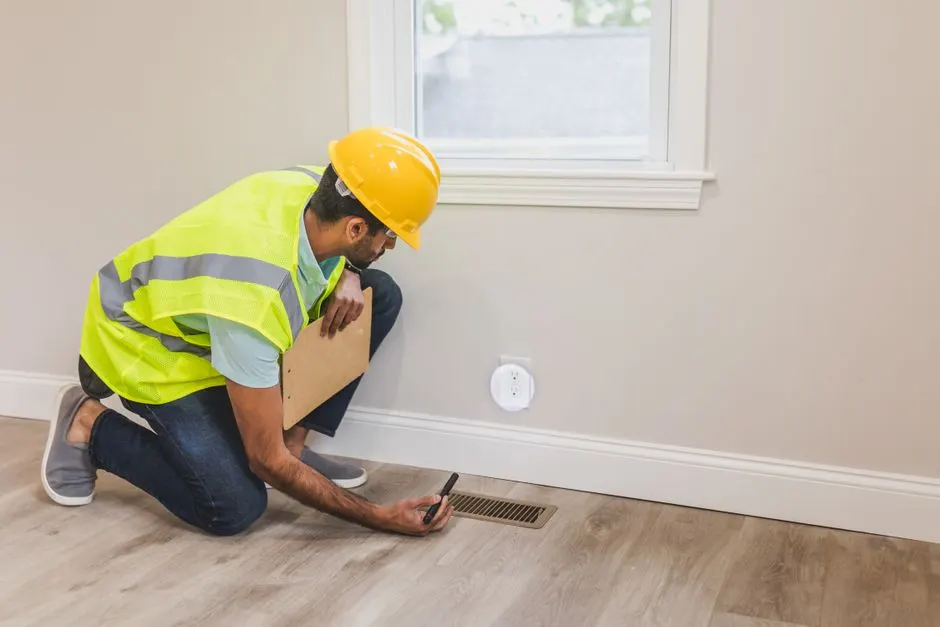
Before any fogging, we inspect the structure with a moisture meter and thermal camera. This is how we find the wet zone that is feeding the growth, so the fogging treatment actually solves the problem instead of just knocking down what is visible.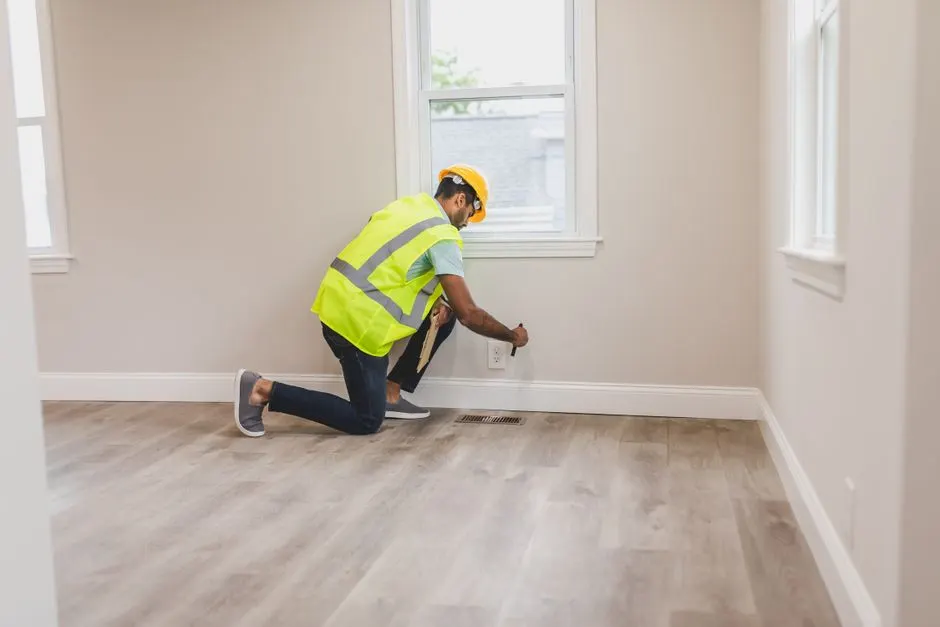
Mold Inspection
A full mold inspection maps the extent of growth and moisture across your Bloomington property. It tells us which cavities need fogging and which surfaces need manual removal first. We recommend this before scheduling a fogging job on any home older than 20 years.
Mold Testing
Mold testing with spore trap cassettes gives us a baseline before fogging and a clearance number after. We send samples to EMSL Analytical or Pro-Lab. You get a written report showing indoor counts against an outdoor baseline, which is what you need for insurance or a real estate file.Ready when you are
Schedule Your Mold Fogging Treatment Bloomington CA Today
If you have smelled that musty odor or found growth after a leak, do not wait. Mold spreads fast in this climate. Call (833) 929-5837 and we can usually inspect the same day. Written price before we start, lab-verified results when we finish.

Talk with the local team
Request Mold Fogging Treatment
Call (833) 929-5837 any time, day or night, and a live person will answer. We schedule free inspections seven days a week and can usually get to your BLOOMINGTON property the same day. If you prefer email, send photos of what you are seeing and we will follow up with next steps.